
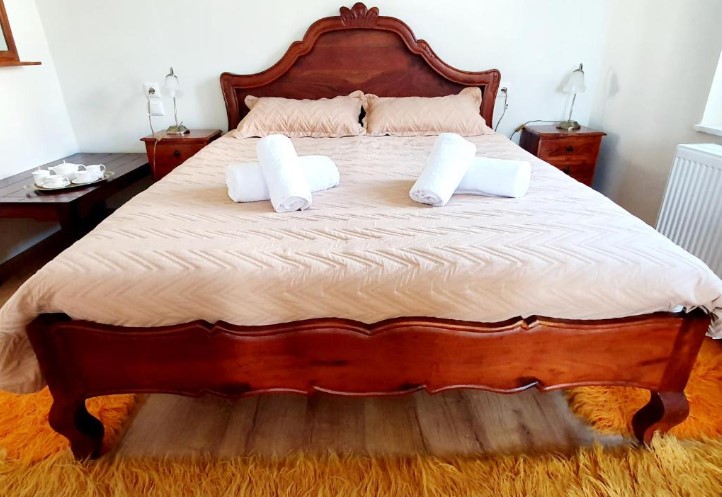
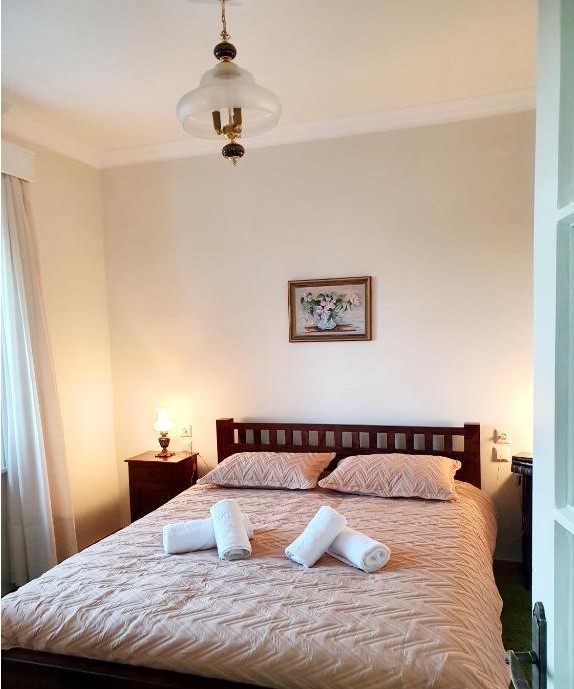
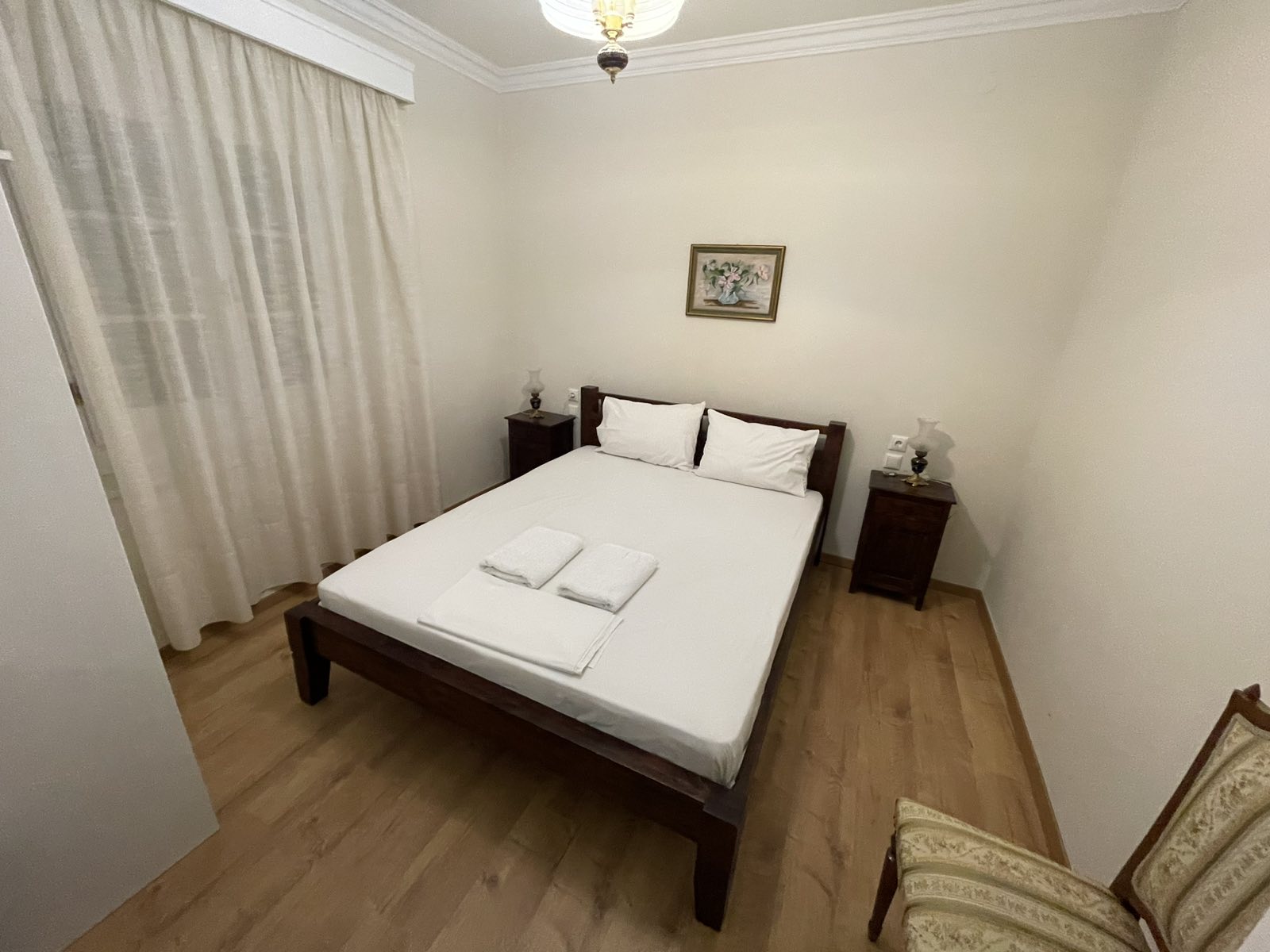
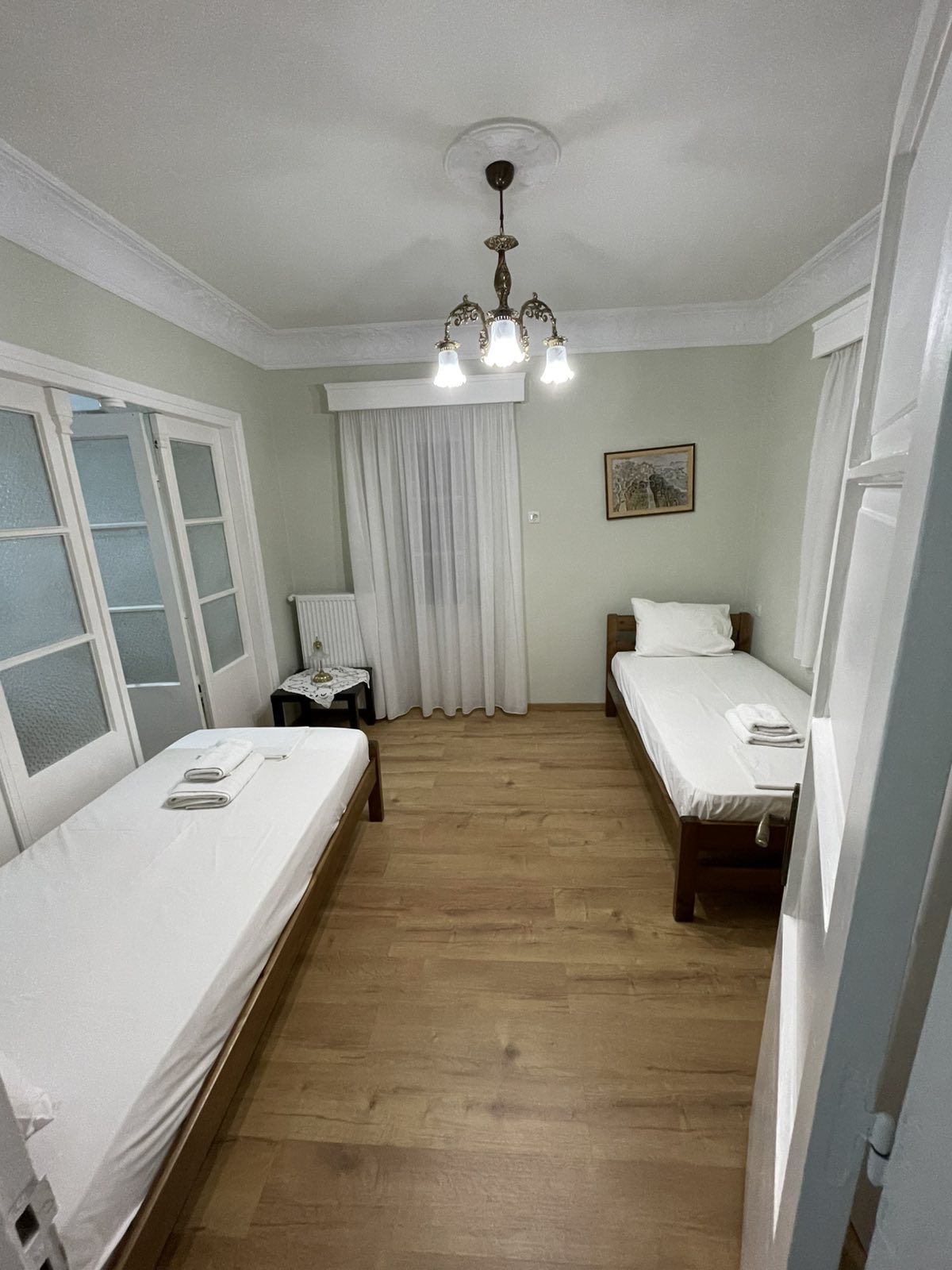
About the Apartments
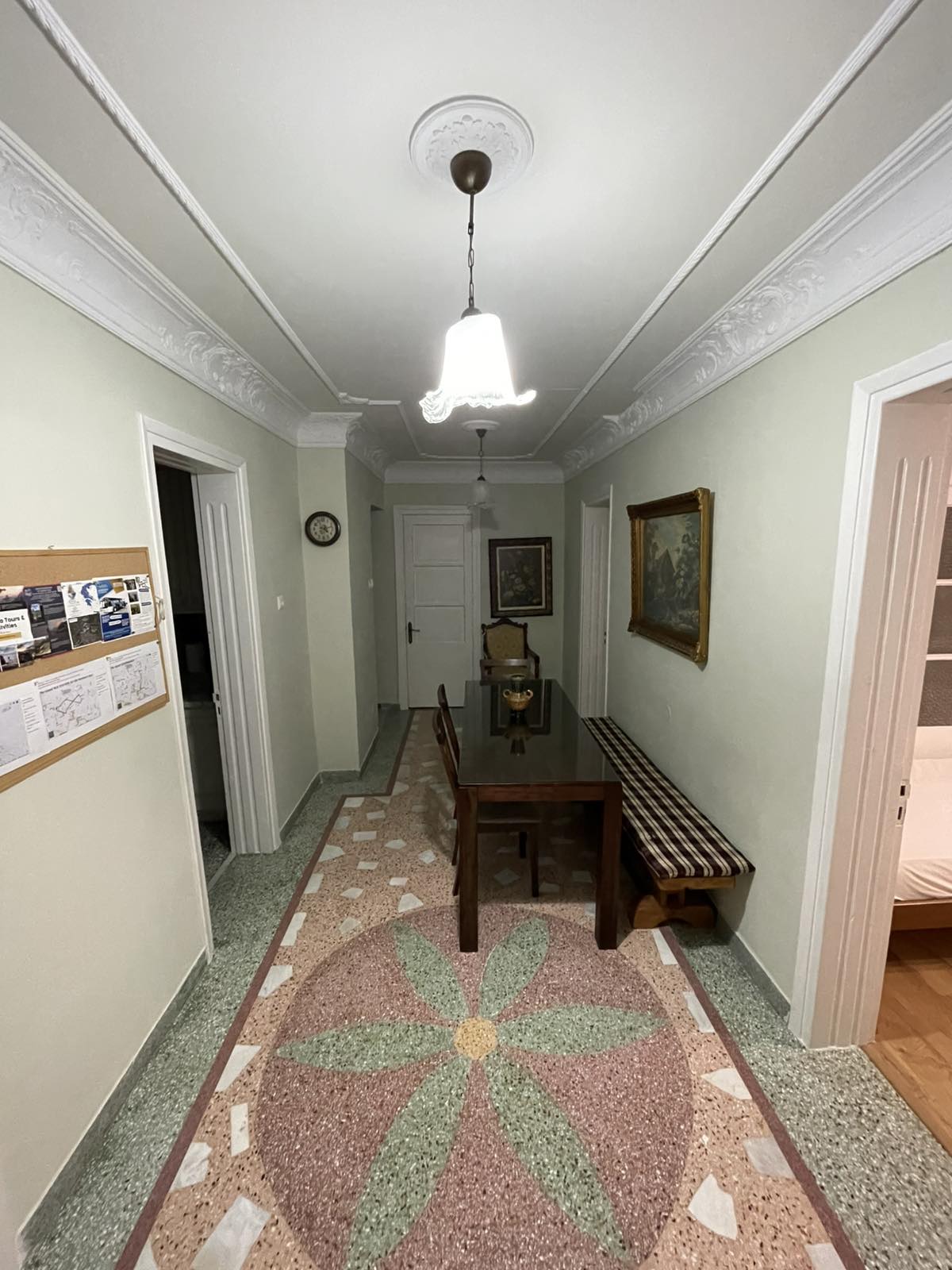
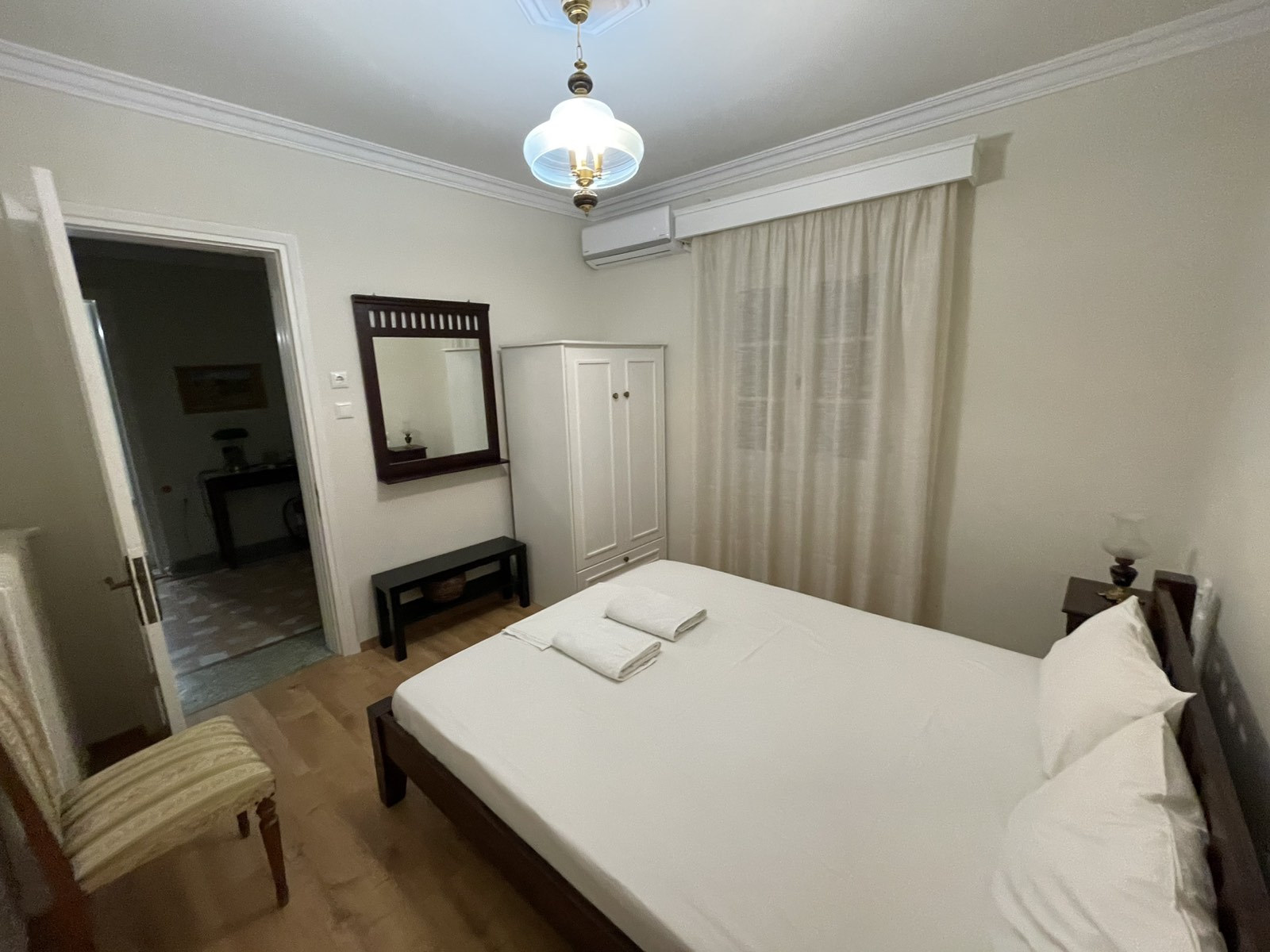
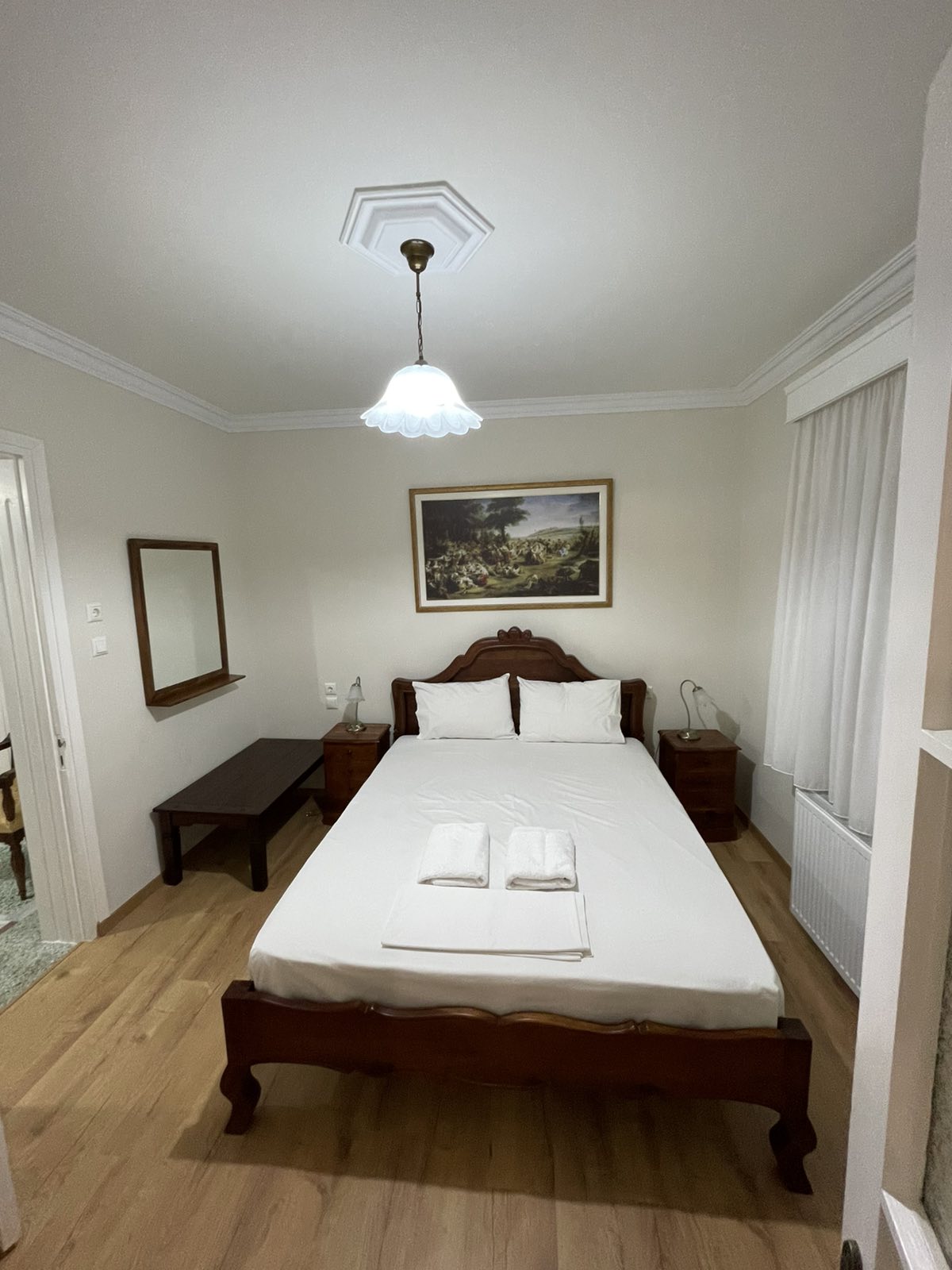
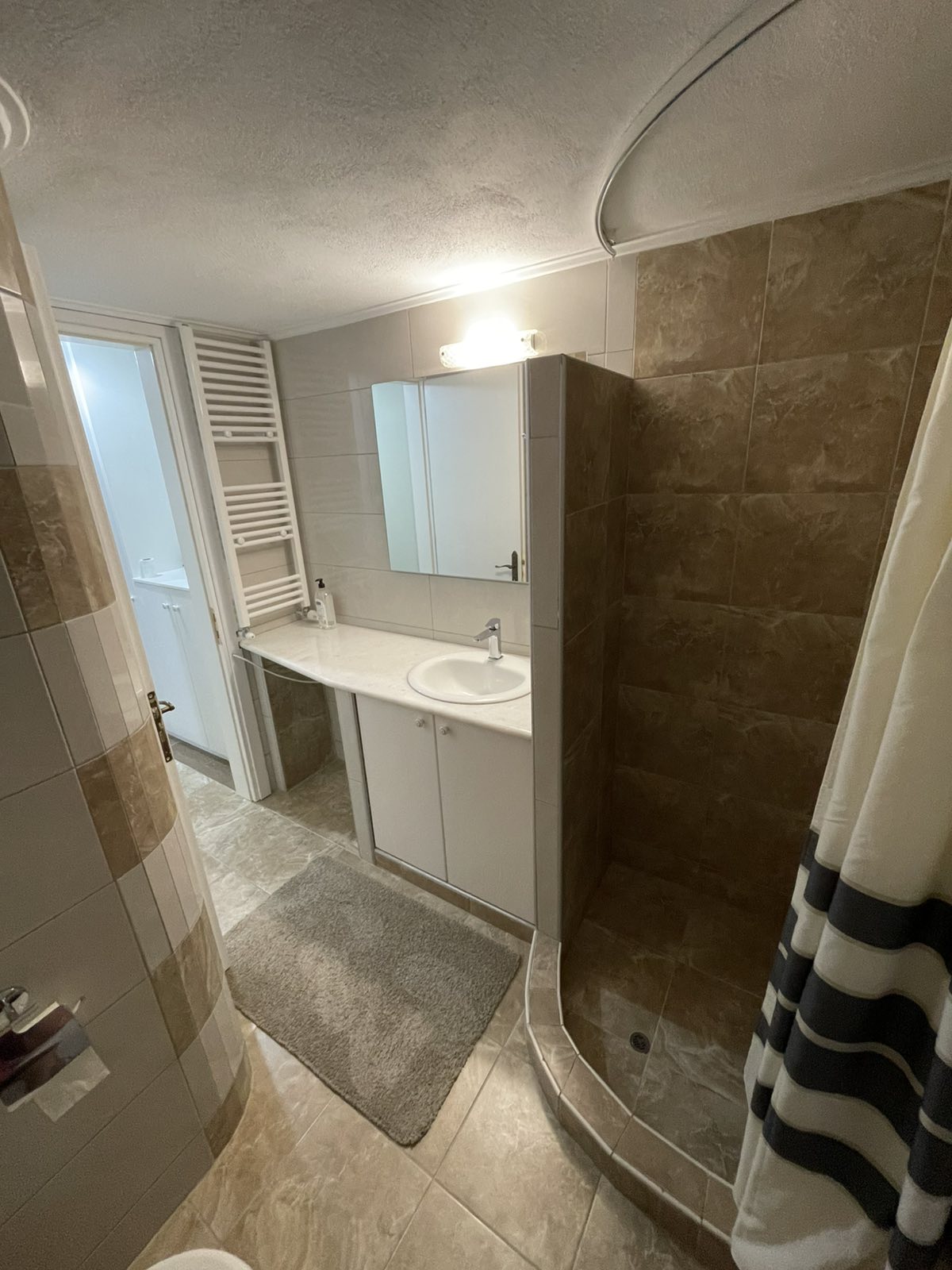
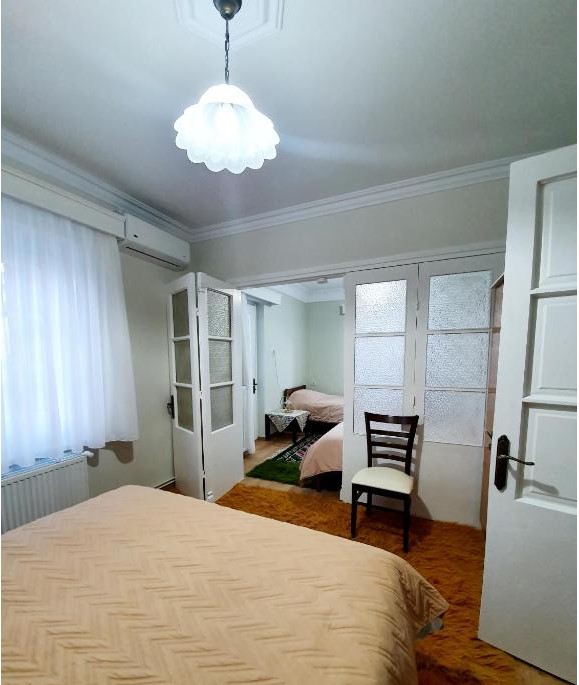
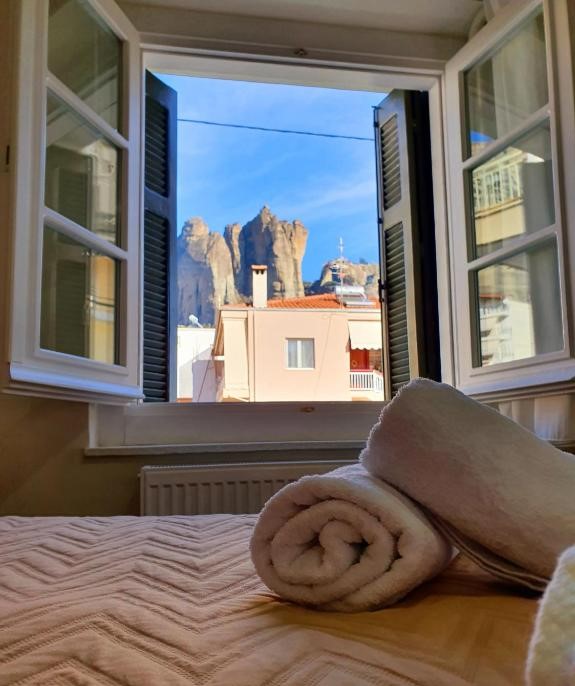
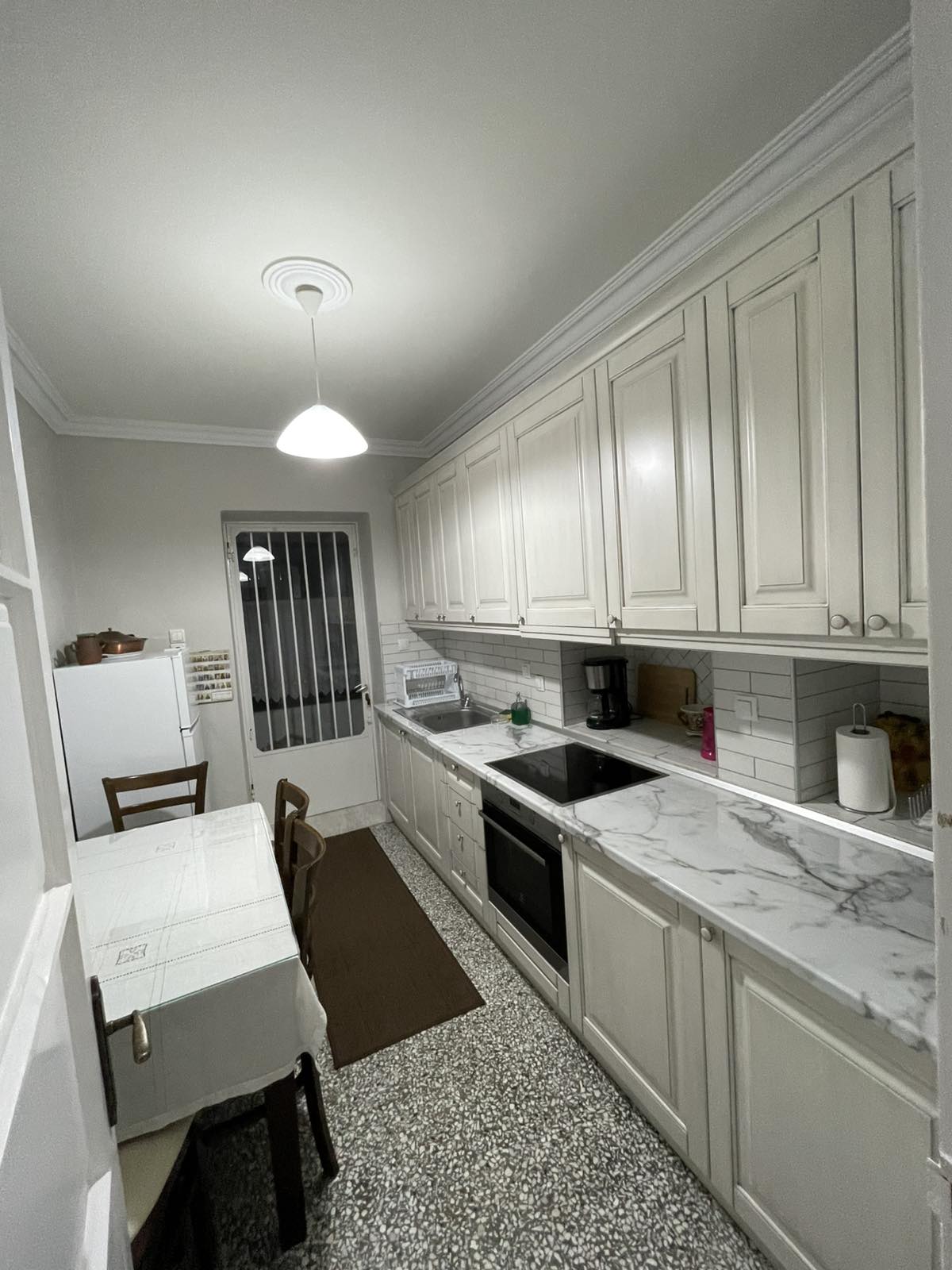
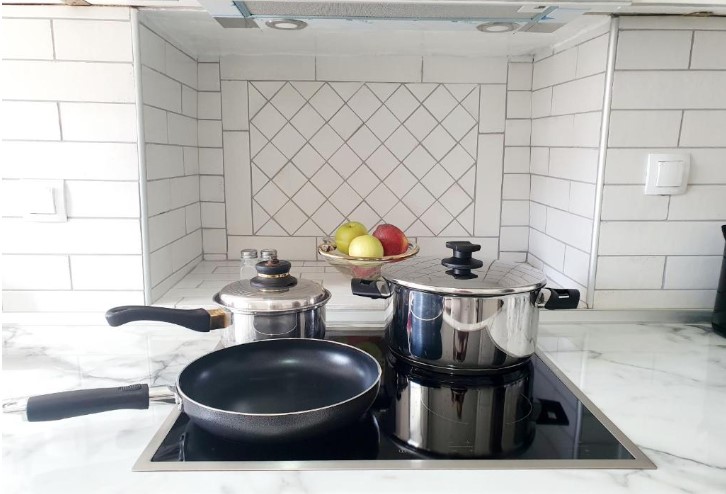
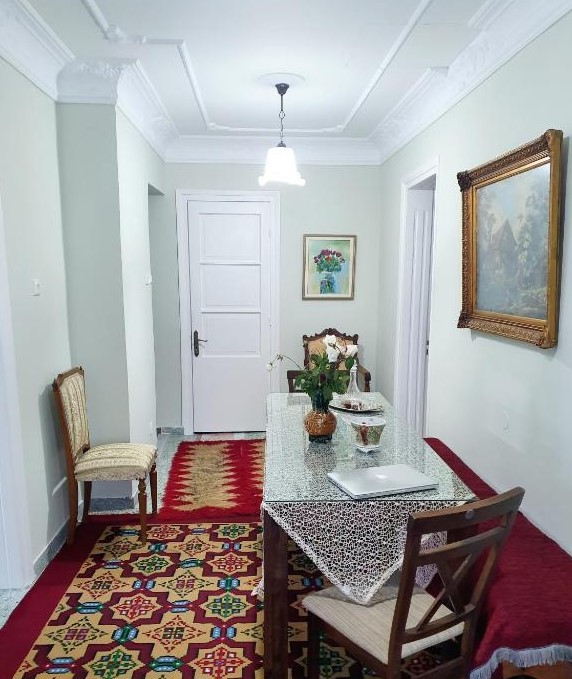
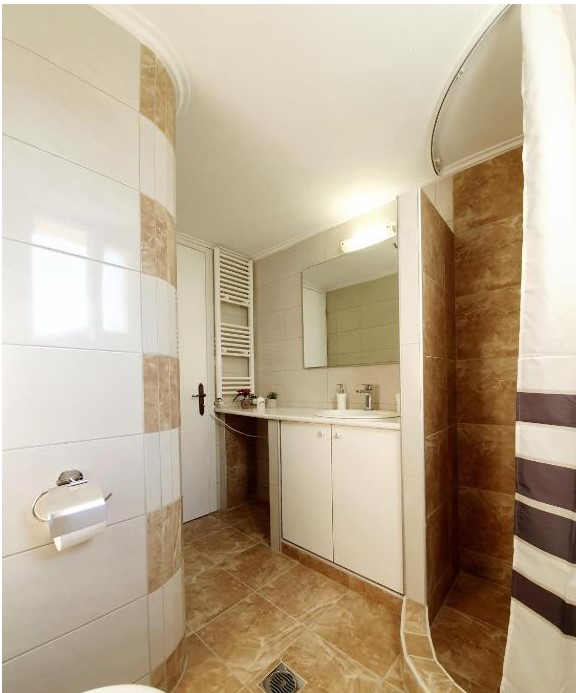
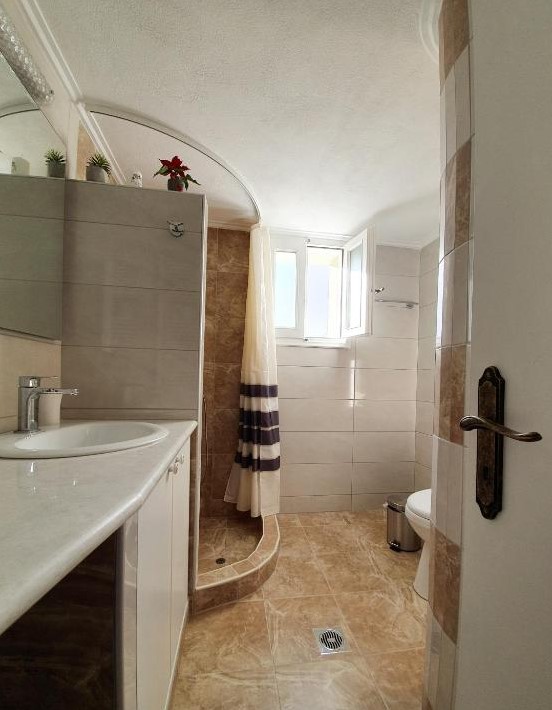
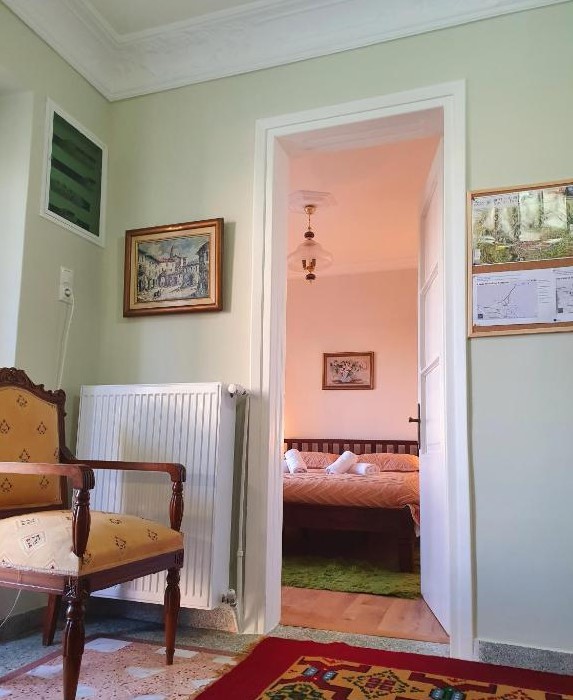
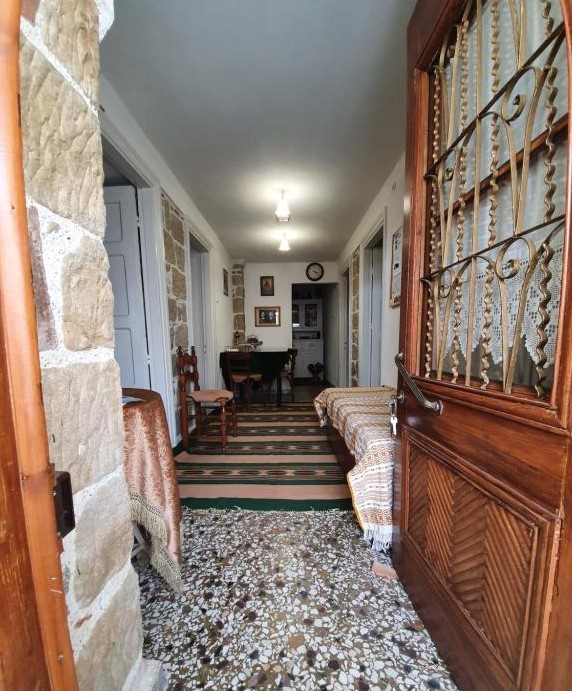
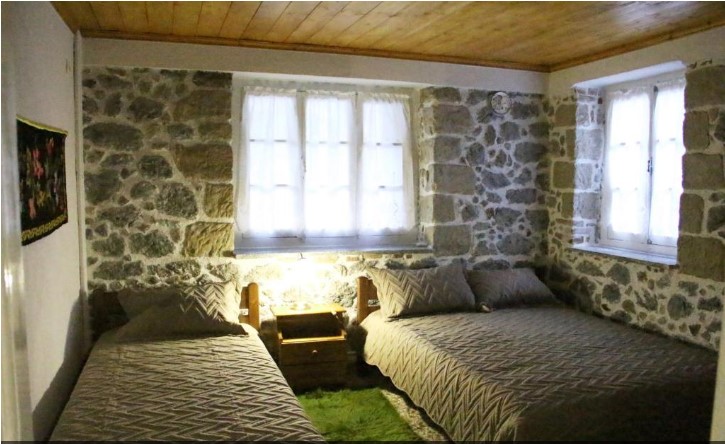
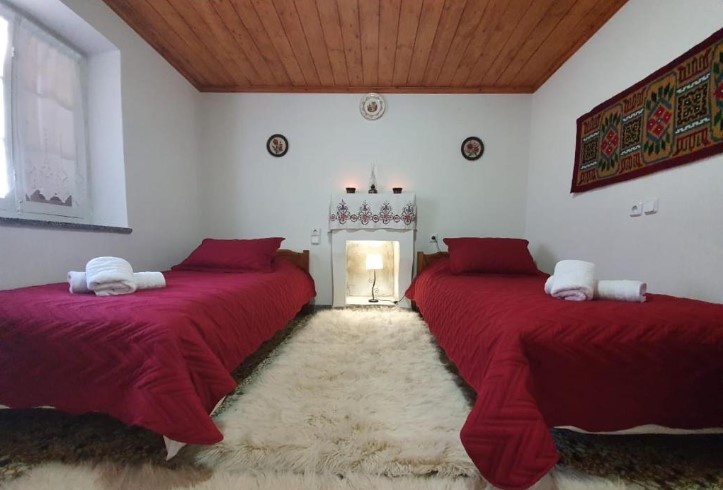
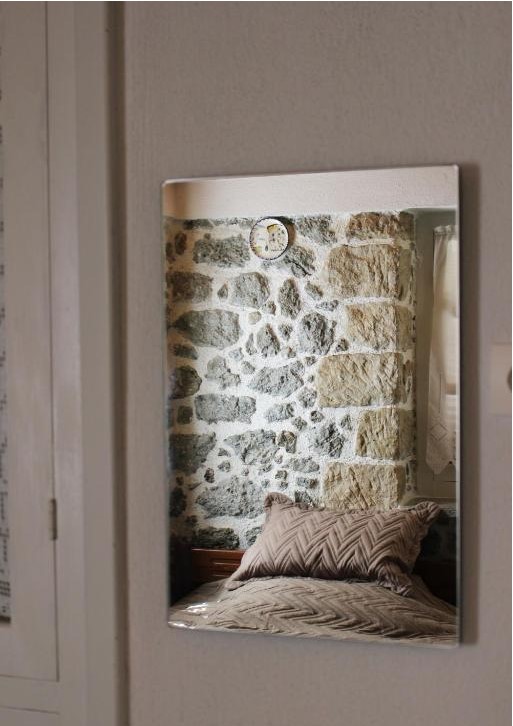
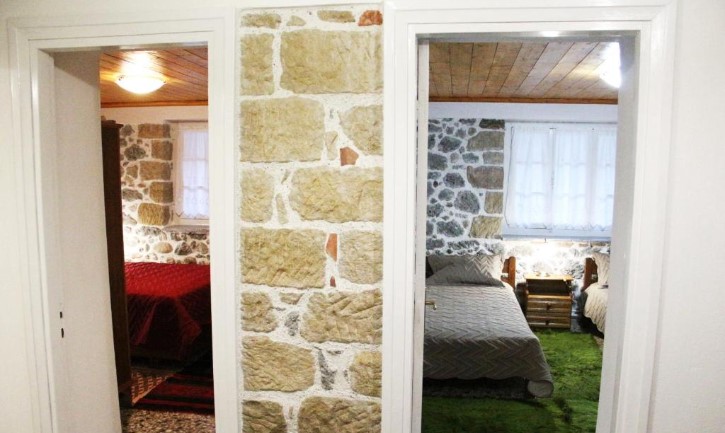
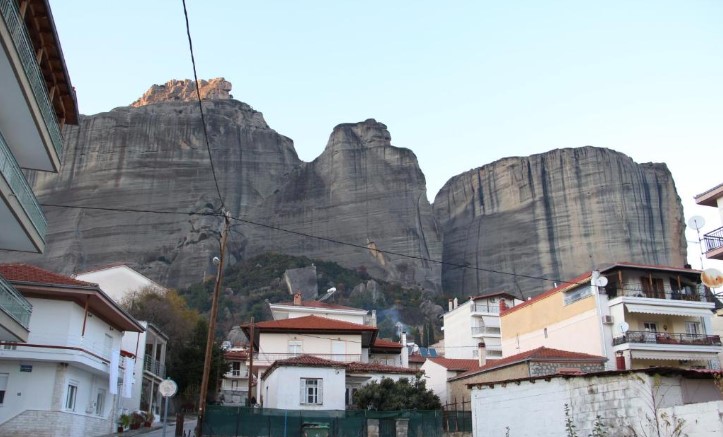
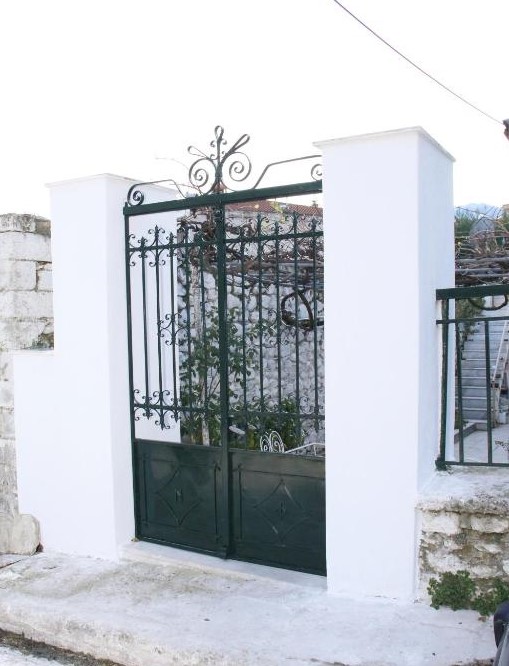
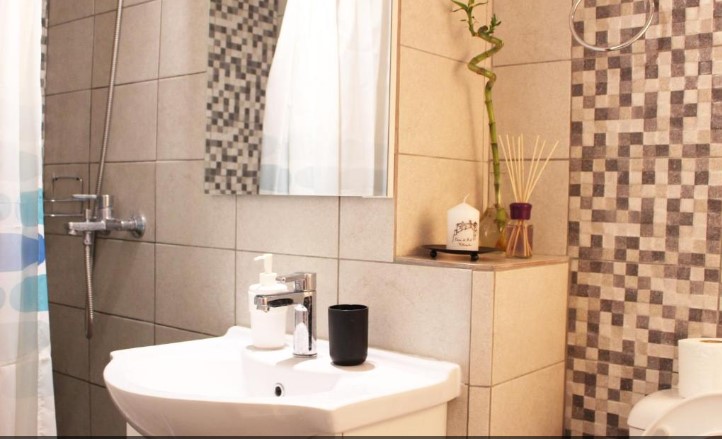
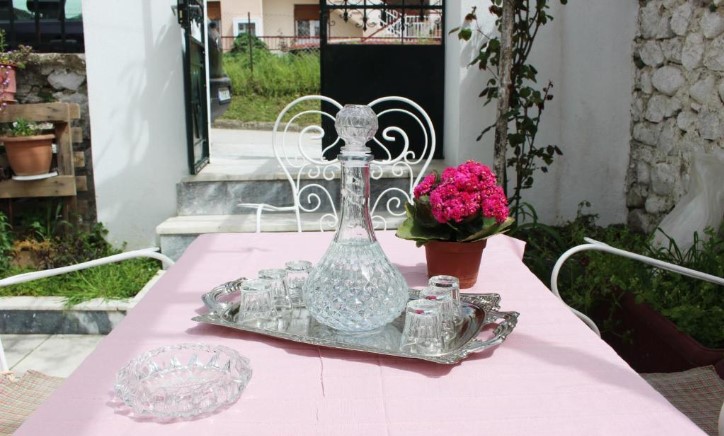
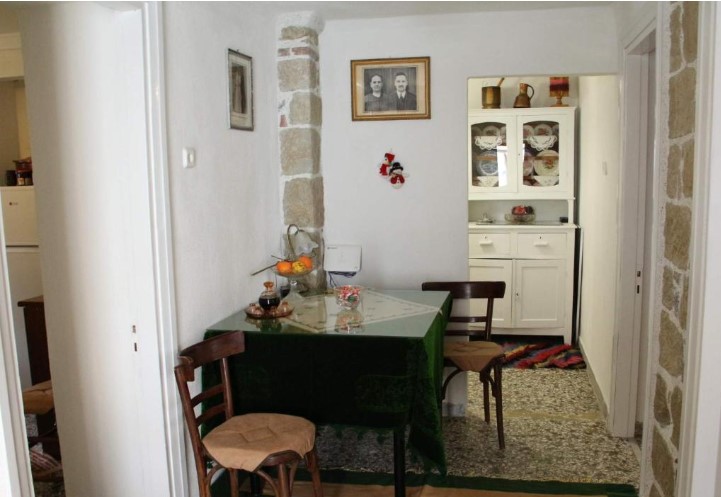
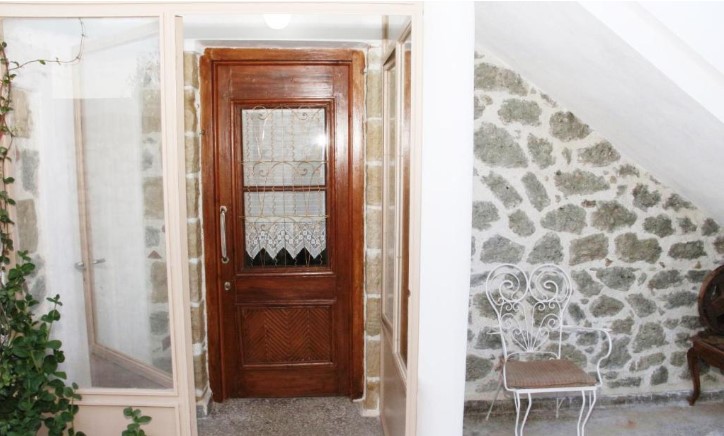
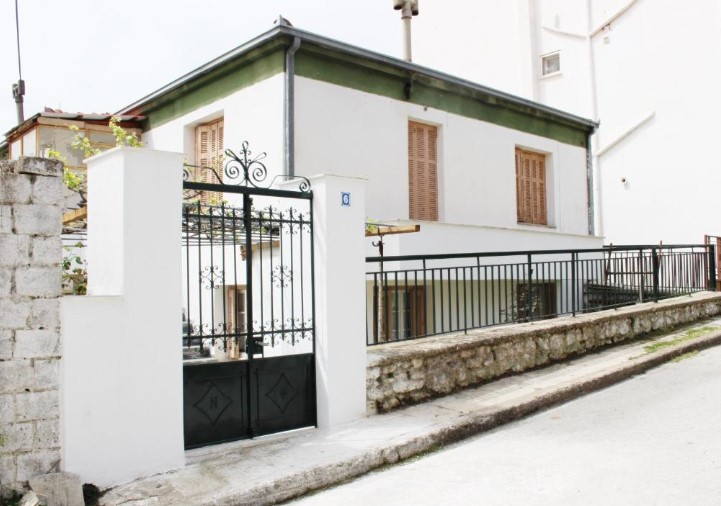
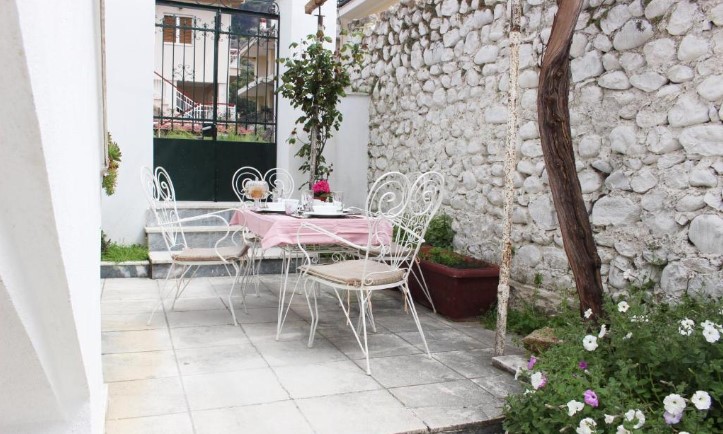
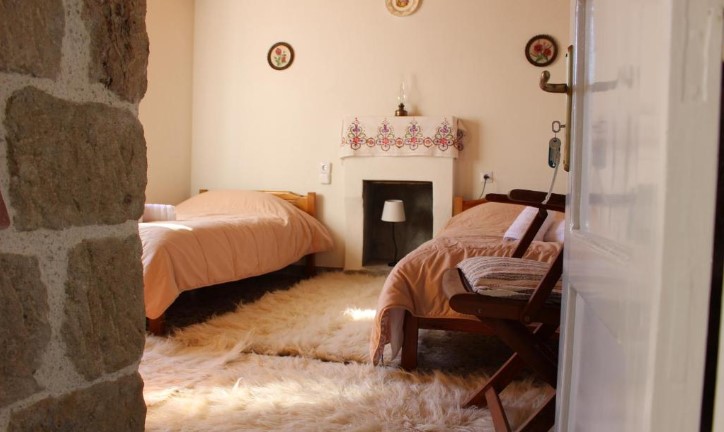
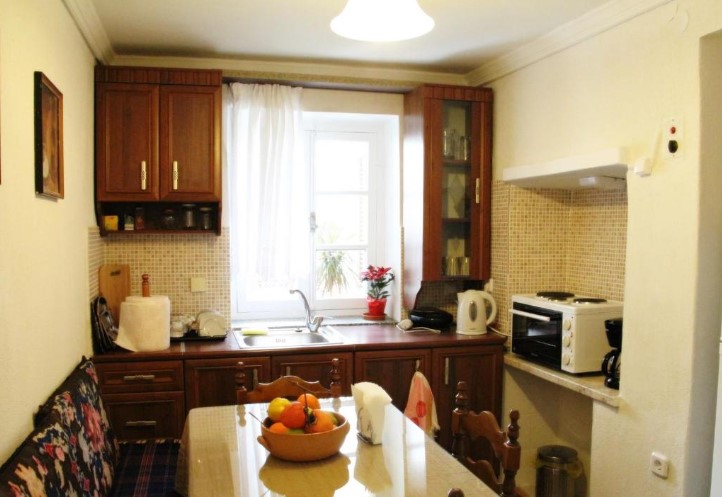
A renovated stone house, built in the 1955’s. Yard view of rock of Meteora. Located in Kalampaka, less than 5’ walk to the city center, 10’ to the railway station and 12’ to the bus terminal. The location is close to supermarket, restaurants and café. The owners of the house are living close to Casa di Fol ( just in emergency case). The house is decorated in the Greek traditional style with modern equipment. To enter the house, you need to descend three steps.
CASA DI FOL
Spacious and comfortable home perfect for up to 7 guests. Ideal for families, groups, or business travelers looking for a relaxing stay. The space offers comfortable beds, a fully equipped kitchen, fast Wi-Fi, and everything you need to feel at home. Conveniently located near shops, restaurants, and local attractions.
CASA DI FOL ANALTU
Welcome to our comfortable and spacious home, perfect for families or groups up to 6 people.. The space offers cozy bedrooms, a fully equipped kitchen, fast Wi-Fi, and everything you need for a relaxing stay. Conveniently located near shops, restaurants, and local attractions, it’s the perfect base to explore the area and enjoy a peaceful getaway.
Book Now !



Book More !
Hotels - Accommodations
Eat and Drink
Outdoor Activities
Culture
Flights
What this place offer
Family rooms
Free WiFi
Non-smoking rooms
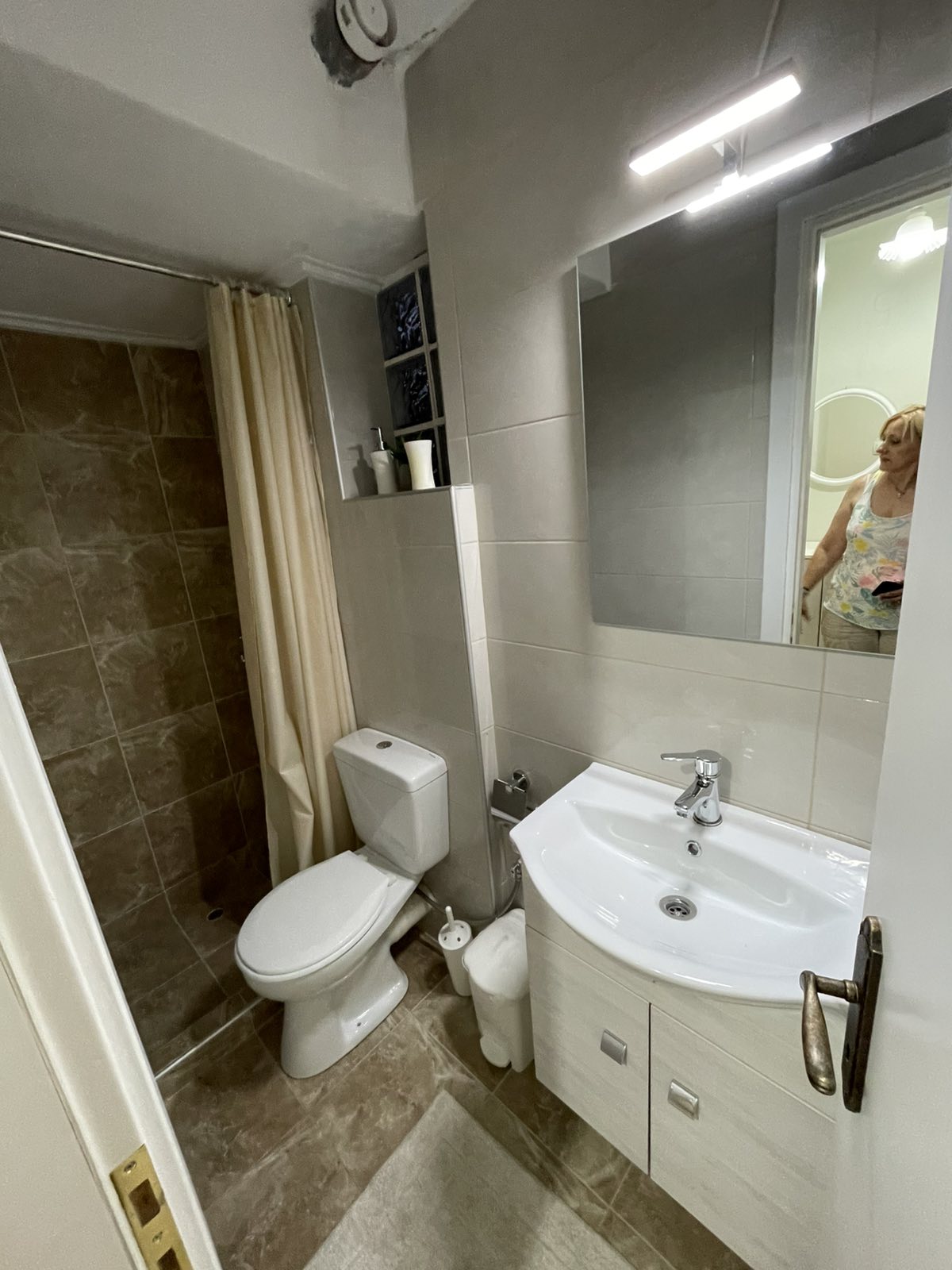
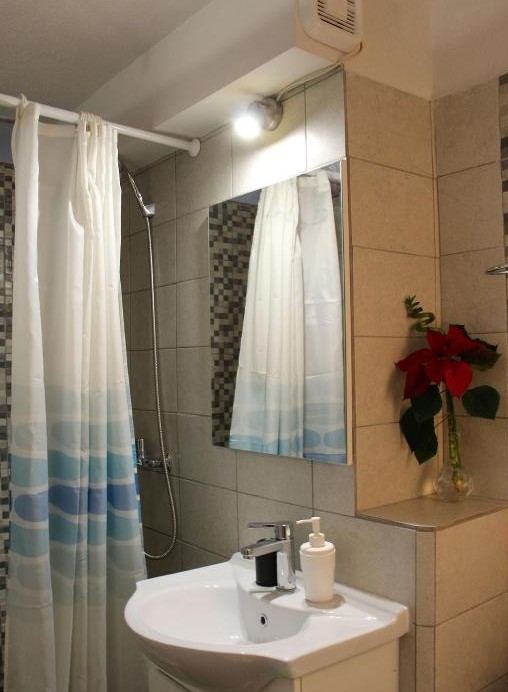
Bathroom
Toilet paper
Towels
Private bathroom
Hairdryer
Bedroom
Wardrobe or closet
View
View
Outdoors
Outdoor furniture
Sun terrace
Terrace
Garden
Kitchen
Shared kitchen
Cleaning products
Internet
WiFi is available in the rooms and is free of charge.
Parking
No parking available.
Services
Lockers
Private check-in/check-out
Luggage storage
Express check-in/check-out
Safety & security
Fire extinguishers
Smoke alarms
General
Designated smoking area
Air conditioning
Additional charge
Tile/marble floor
Heating
Fan
Family rooms
Non-smoking rooms
Languages spoken
English
Remember that travel information can change, so it’s always a good idea to check with official tourism websites or local authorities for the most up-to-date information when planning a trip to Greece.
Frequently Asked Questions
Meteora is located in central Greece, near the town of Kalambaka and the larger city of Trikala. It’s easily accessible from Athens, Thessaloniki, and other major Greek cities.
Meteora is renowned for its stunning rock formations and monasteries perched atop these towering pillars. It’s a UNESCO World Heritage Site, celebrated for its unique blend of natural beauty and spiritual significance.
There are six active monasteries in Meteora that you can visit: Great Meteoron, Varlaam, Roussanou, St. Stephen’s, Holy Trinity, and St. Nicholas Anapafsas. Visitors are welcome, but be prepared for uphill climbs and a dress code that includes covering shoulders and knees.
The best time to visit Meteora is during the spring (April to June) and autumn (September to October) when the weather is mild and the landscape is lush. Summers can be hot, while winters are cold, but both offer unique experiences.
You can reach Meteora by train or bus from both Athens and Thessaloniki. The train journey from Athens offers picturesque views. Alternatively, you can rent a car for more flexibility.
In addition to monastery visits, you can go hiking on the many trails that offer panoramic views, explore archaeological sites like Theopetra Cave, indulge in photography, or join guided tours for cultural insights.
Yes, there is a dress code for visiting monasteries. Both men and women should cover their shoulders and knees. Skirts, shawls, and scarves are often provided at the entrance for those who need them.
Yes, day trips from Athens to Meteora are possible, but it involves a long day of travel. Consider an overnight stay in Kalambaka or Trikala to fully explore the region and its attractions.
Photography rules may vary by monastery, but generally, photography is allowed in outdoor areas and courtyards but not inside the chapels and museums. Always ask for permission and respect any posted rules.
Yes, guided tours are available and highly recommended. Knowledgeable local guides can provide historical, cultural, and spiritual insights into Meteora, enhancing your experience.
Remember to check the opening hours of the monasteries, especially if you plan to visit multiple in one day, as they may have varying schedules. Enjoy your visit to the stunning and spiritual world of Meteora!
Our geological treasure
Meteora’s history is a testament to human determination and spiritual devotion set against a backdrop of stunning natural beauty. Whether you’re interested in history, spirituality, outdoor adventure, or simply seeking a place of wonder, Meteora has something to offer every traveler.
History
Meteora, a UNESCO World Heritage Site located in central Greece, is famous for its awe-inspiring rock formations and monasteries that seem to defy gravity. Its history is a blend of spiritualism, human determination, and natural beauty:
Geological Formation
Meteora’s unique rock pillars were formed around 60 million years ago when a river slowly eroded the surrounding plain, leaving behind towering sandstone rock columns. Over time, wind and water further sculpted these pillars into their present dramatic shapes.
Monastic Beginnings
The history of Meteora as a place of religious retreat dates back to the 11th century when hermit monks began to settle in the caves and rock niches. Seeking solitude and closeness to God, they lived in ascetic conditions.
Monastic Expansion
In the 14th century, as the region experienced political turmoil, monastic communities began constructing monasteries atop these imposing rocks for added security. Access to these monasteries was initially challenging, with monks using removable ladders and baskets to ascend.
Frescoes and Art
Inside the monasteries, monks adorned the walls with intricate frescoes that depict biblical scenes and the lives of saints. These frescoes are not only remarkable for their beauty but also for their preservation over the centuries.
UNESCO World Heritage
In 1988, Meteora was designated as a UNESCO World Heritage Site, recognizing its historical, cultural, and geological significance.
Activities
Meteora offers a range of activities that allow visitors to explore its rich history, spirituality, and natural beauty:
Monastery Visits:
The six functioning monasteries (out of the original 24) are open to visitors. Each monastery offers a unique experience. Be prepared for uphill climbs and a dress code that includes covering shoulders and knees.
Hiking and Exploration:
Meteora boasts numerous hiking trails that wind through the rock formations, offering breathtaking views of the monasteries and surrounding landscape. The trails vary in difficulty, making it accessible to hikers of different levels.
Photography:
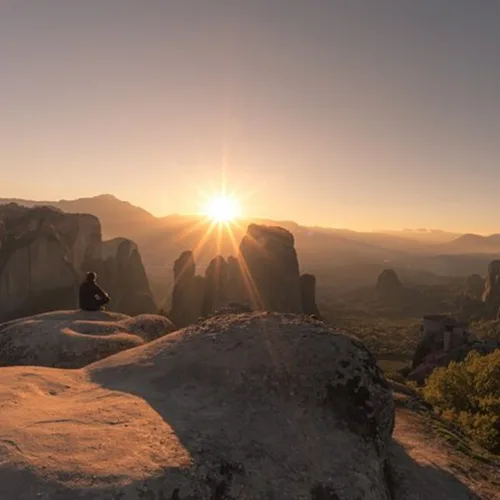
The striking landscape of Meteora is a photographer’s dream. Capture the monasteries perched atop the rock columns, the dramatic rock formations, and the vibrant sunsets.
Cultural and Historical Insights:
Visit the Natural History Museum of Meteora and the Theopetra Cave Archaeological Site to learn more about the geological history and early human presence in the region.
Spiritual Retreat:
For those seeking a deeper spiritual connection, Meteora offers an environment of tranquility and reflection. Attend a religious service or simply meditate amidst the serene surroundings.
Guided Tours:
Consider taking a guided tour to gain insights into the history, culture, and spirituality of Meteora from knowledgeable local guides.
Rock Climbing:
Experienced rock climbers can tackle the challenging climbs offered by Meteora’s unique rock formations.

